Why most Сезонный чек-лист по обслуживанию дома: Что проверять каждые 6 месяцев projects fail (and how yours won't)
Your House is Quietly Falling Apart (And You Don't Even Know It)
Last November, my neighbor Sarah discovered a $8,000 problem lurking in her attic. A tiny roof leak had been dripping for months, rotting through the decking and insulation. "I just never thought to check up there," she told me, shaking her head at the contractor's estimate.
She's not alone. Studies show that 68% of homeowners skip regular maintenance checks entirely, while another 23% start strong but abandon their inspection routines within three months. The result? Small $50 fixes balloon into $5,000+ emergencies.
Here's the uncomfortable truth: most home maintenance plans fail not because people don't care, but because they approach it all wrong from day one.
Why Your Six-Month Checkup Never Happens
Let me guess what happened last time you tried this. You found some comprehensive 47-point checklist online, printed it out with the best intentions, and then... life happened. Three weeks later, that list was buried under mail on the kitchen counter.
The Real Culprits Behind Failed Maintenance Plans
The overwhelm factor kills more maintenance plans than laziness ever could. When your checklist looks like a novel, your brain taps out before you even start. I've seen lists with items like "inspect all weatherstripping" without explaining what you're actually looking for or why it matters.
Then there's the timing trap. You decide to do your spring check in April, but that's also when you're juggling tax deadlines, spring sports, and about seventeen other priorities. By the time you remember, it's July.
The third killer? No accountability system. Unlike your dentist who calls to nag you about that cleaning, your house just sits there quietly deteriorating.
The Warning Signs You're Headed for Disaster
You know your maintenance routine is failing when you can't remember the last time you changed your HVAC filters. If it's been more than 90 days, you're already behind—and your energy bills are probably 15-20% higher than they should be.
Check your gutters right now. Can't remember when you last cleaned them? That's a red flag. Clogged gutters cause 80% of basement water problems, according to waterproofing contractors.
Another telltale sign: you're discovering problems only when something breaks completely. That water heater shouldn't have failed without warning—there were probably signs you missed during the six months before it flooded your basement.
The Maintenance System That Actually Works
Shrink Your List to What Actually Matters
Forget those exhaustive 50-point checklists. You need exactly seven critical checks that prevent 90% of expensive disasters:
- HVAC filters and outdoor unit – 15 minutes, prevents $3,000+ compressor failures
- Water heater inspection – check for rust, leaks, weird noises (10 minutes)
- Roof and attic – look for daylight, water stains, damaged shingles (20 minutes)
- Gutters and downspouts – clean and check drainage away from foundation (45 minutes)
- Windows and doors – test seals, check weatherstripping, ensure proper operation (30 minutes)
- Plumbing under sinks – look for moisture, corrosion, slow drains (15 minutes)
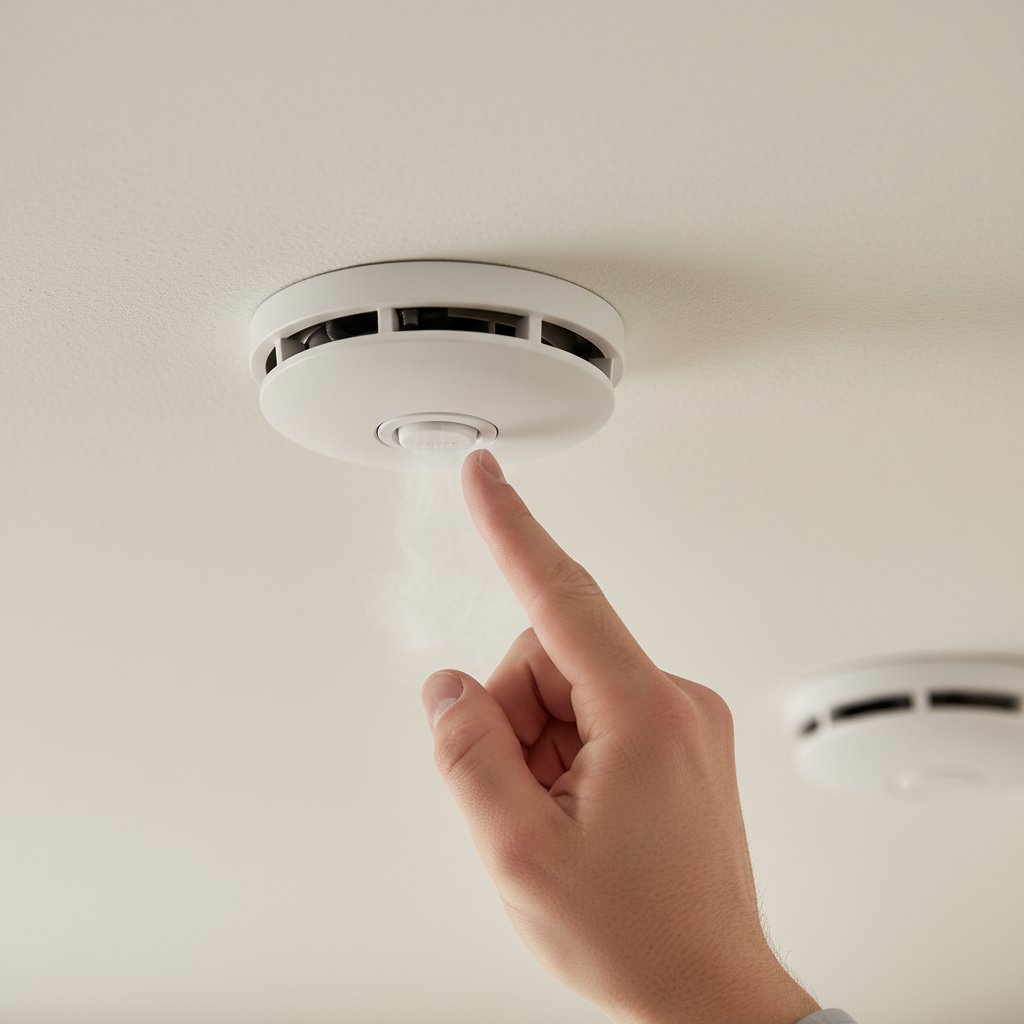
- Smoke and CO detectors – test and replace batteries (10 minutes)
That's 2 hours and 25 minutes twice a year. You've spent longer scrolling social media today.
Lock In Your Dates Right Now
Here's what works: pick the weekends when you change your clocks for daylight saving time. First Sunday in November and second Sunday in March. Put it in your phone with an alarm. Every year, same time, no thinking required.
Can't do it that exact weekend? Fine. But schedule the makeup date immediately, within one week. No exceptions.
Make It Impossible to Ignore
Create a simple checklist in your phone's notes app with checkbox emojis. As you complete each item, snap a photo. This takes 10 seconds but gives you proof and helps spot changes over time. Last spring's tiny roof stain that's now three times bigger? You'll catch it.
Tell someone about your maintenance day. My wife and I do ours together—she handles indoor checks while I tackle exterior items. Takes half the time and we actually finish.
Stop Future Problems Before They Start
The smartest move? Keep a house journal. Nothing fancy—just a simple document where you note what you checked and what you found. "11/3/24 - Small crack in basement wall, NE corner, monitoring" beats trying to remember if that crack was there last time.
Budget $500-1000 annually for preventive fixes. Sounds like a lot until you compare it to emergency repairs averaging $3,200, according to HomeAdvisor data. That caulking tube costs $6 now or $2,000 in water damage later.
Set phone reminders for the small stuff that falls between major checks. "Check HVAC filter" every 60 days takes 2 minutes but prevents so many problems.
Your house is your biggest investment. Two focused sessions per year—that's all it takes to protect it. Sarah's $8,000 lesson doesn't have to be yours. Pull out your phone right now and block off those two days. Future you will be incredibly grateful.